Trusted Partners from Day One
Working with Right Angle Picture Framing
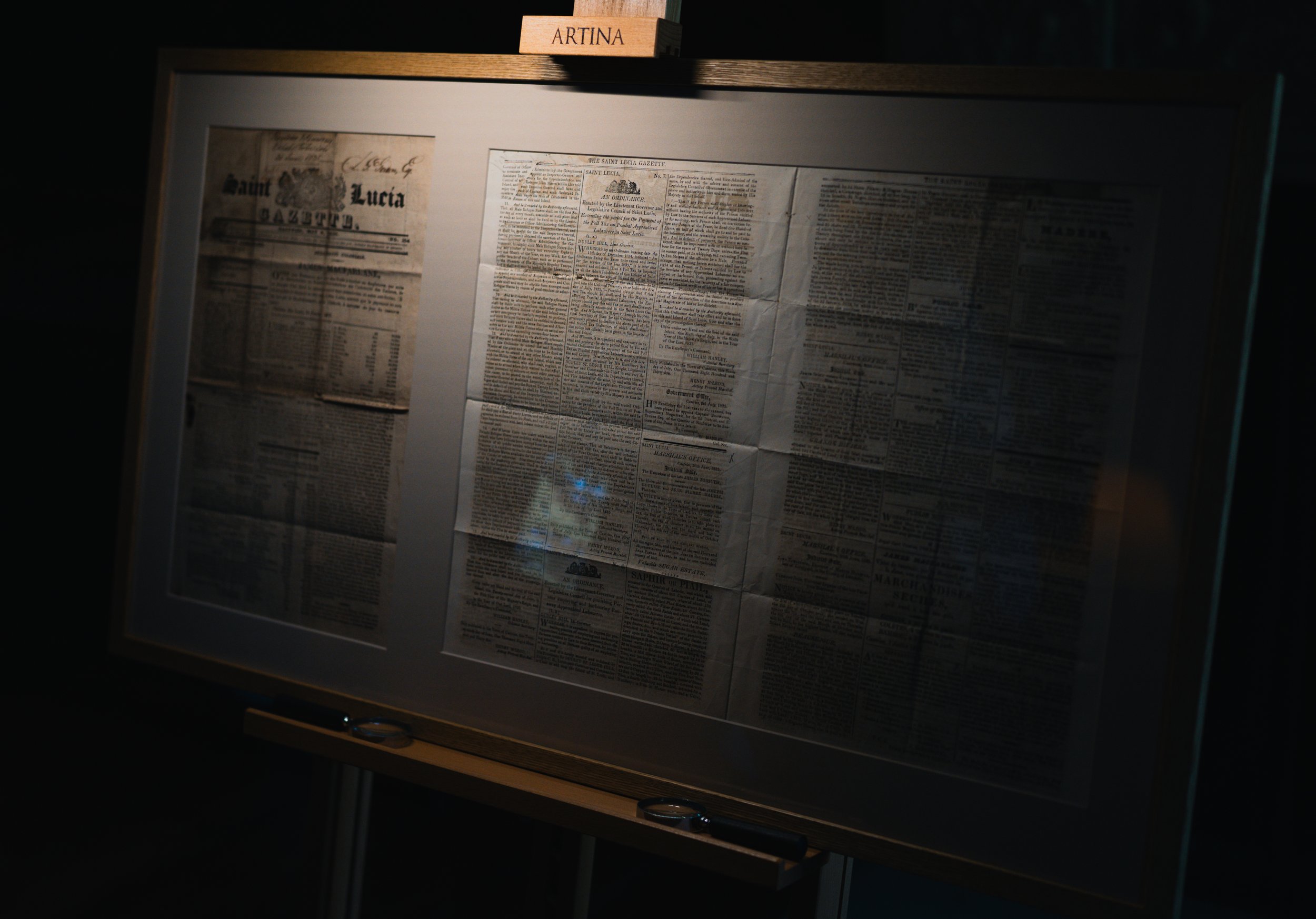
When the Trust for Records of Enslavement and Emancipation (TREE) was established, it was clear from the outset that this would never be a digital-only project.
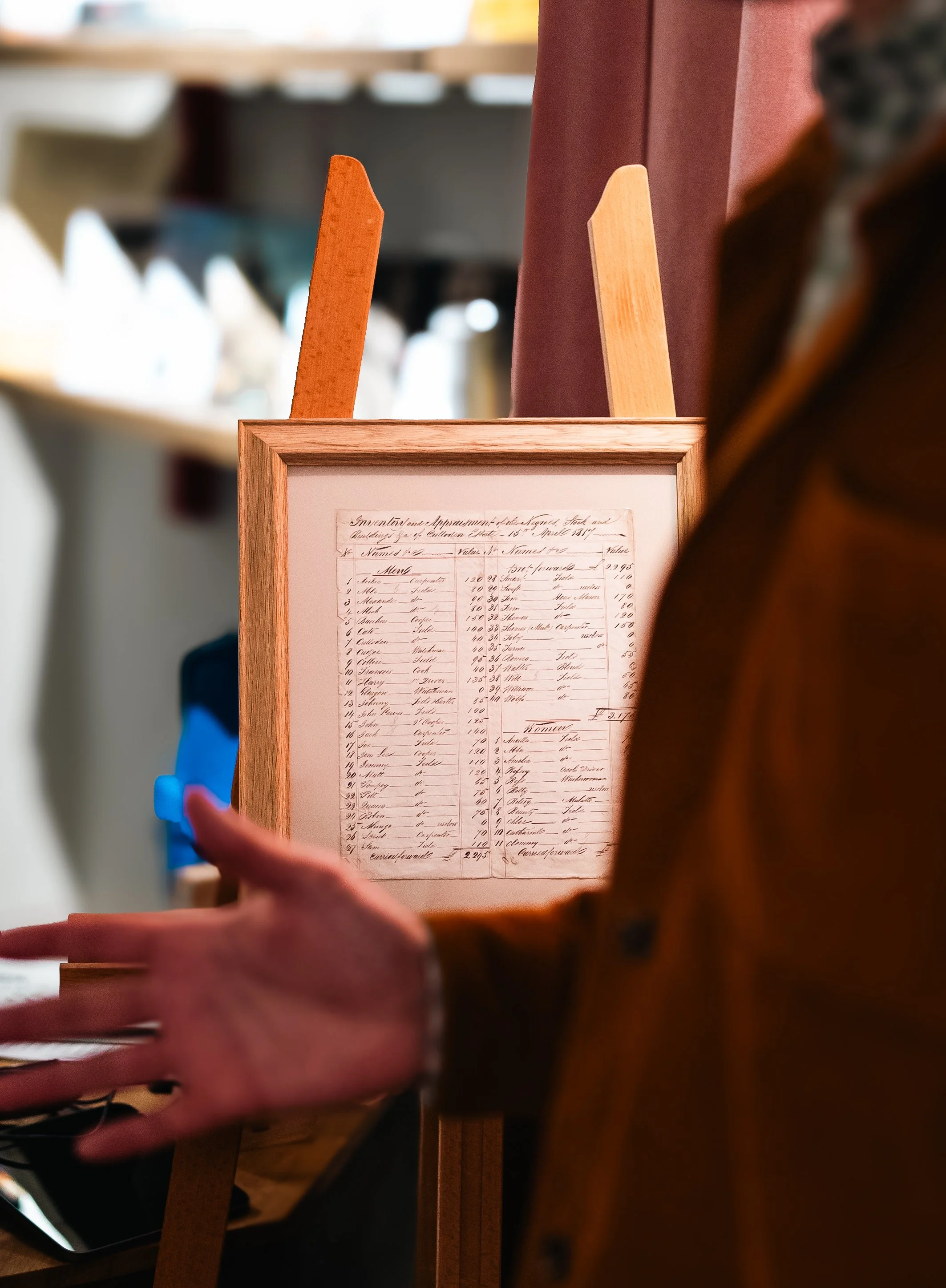
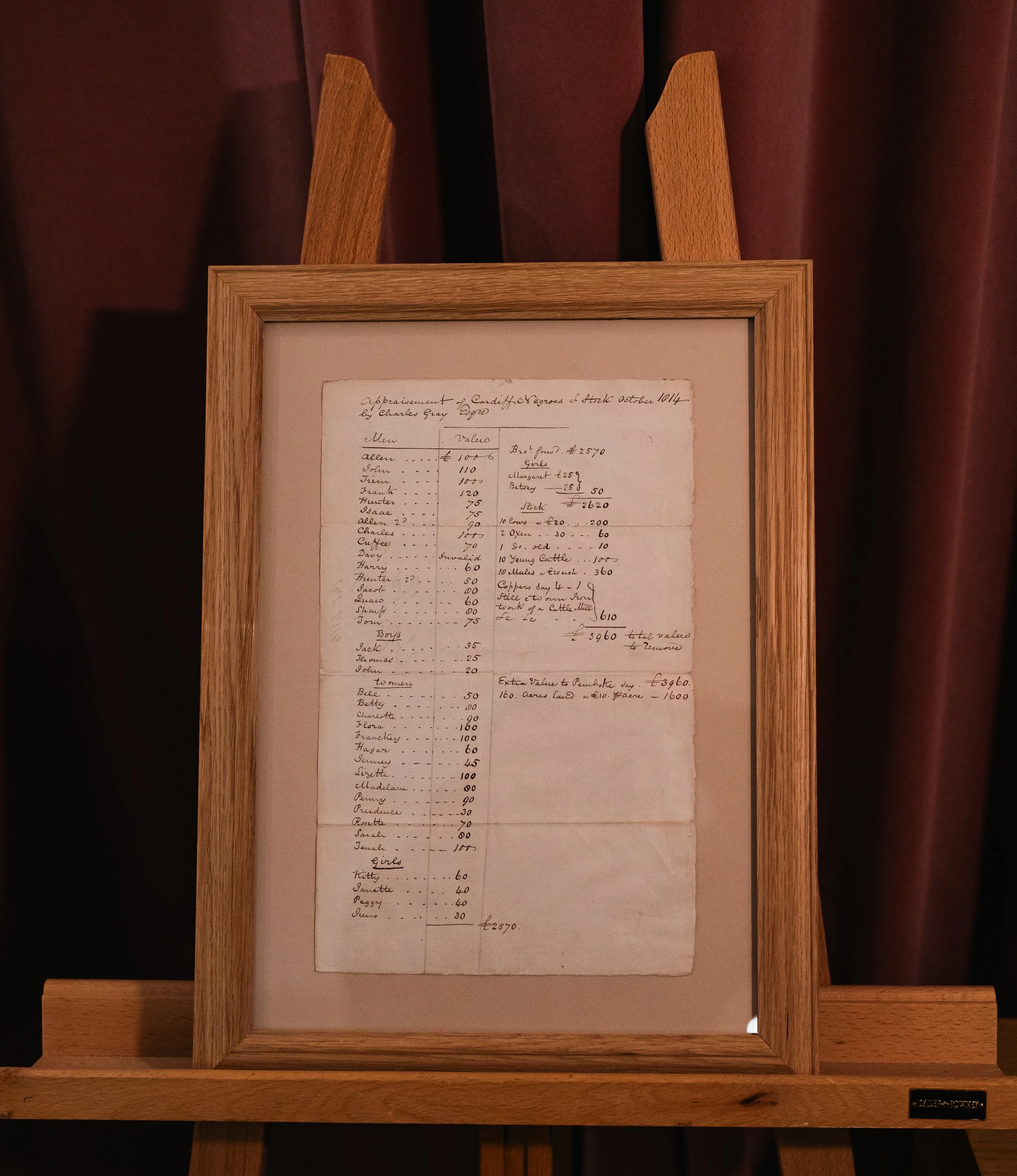
At the heart of TREE sits a physical archive. Original eighteenth and nineteenth century documents including estate inventories, correspondence, compensation records, and newspapers. Paper that has survived centuries, but only through careful handling and restraint (mostly).
From the very beginning, how these materials were protected and presented mattered as much as how they were interpreted. Framing was not a finishing touch. It was a foundational decision.
Right Angle Picture Framing became a trusted partner from the inception of TREE, helping to ensure that custodianship, conservation, and ethical display were embedded into the organisation from day one.
Getting the foundations right
TREE was not looking for decorative framing.
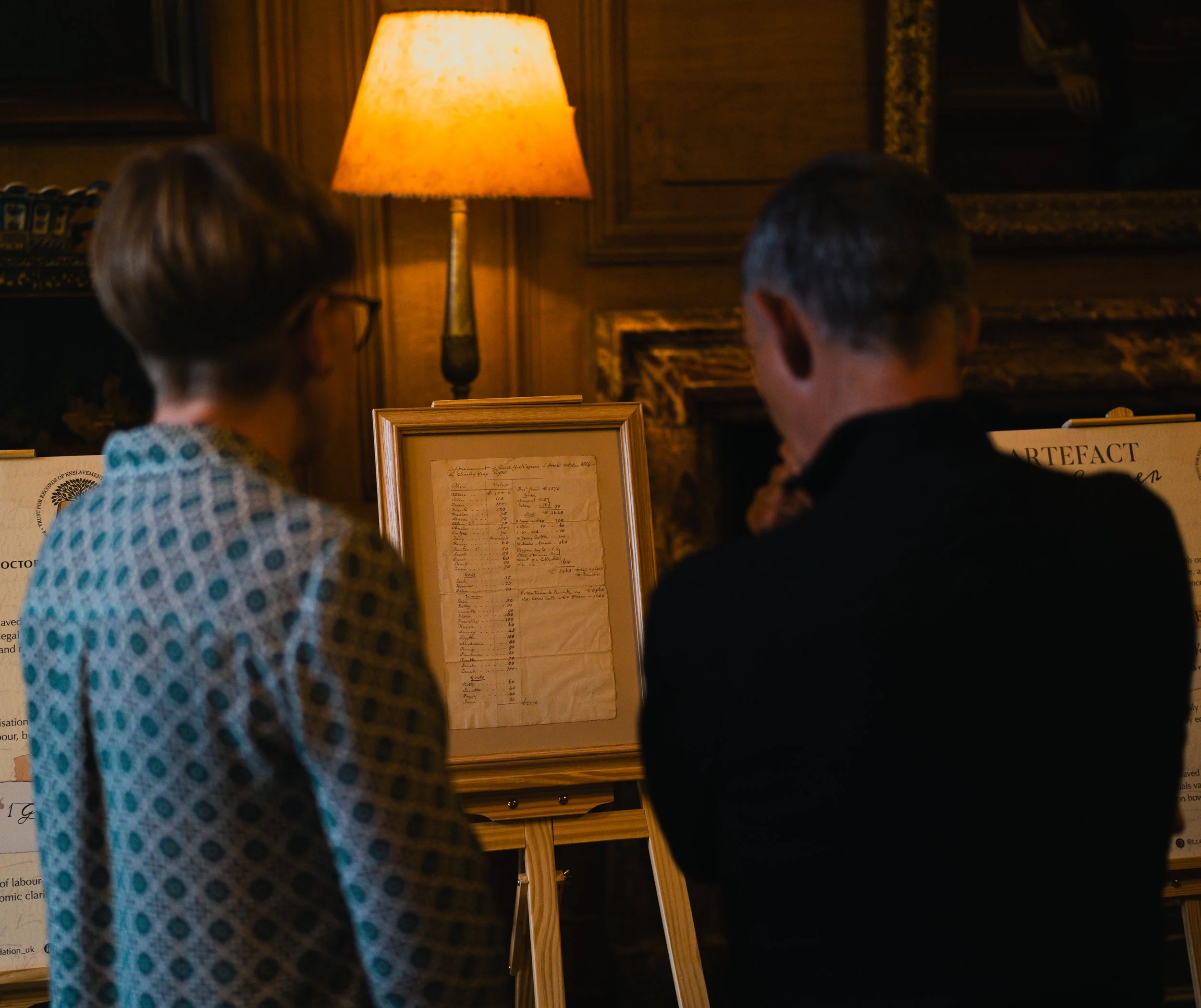
The archive required a partner who understood that these were irreplaceable originals, not reproductions, and that decisions made early on, would directly affect their longevity. Materials would need to withstand handling, transport, and public exhibition. Conservation-grade mounts and glazing were essential, not optional.
This was not about visual impact alone. It was about responsibility.
Working together from the outset
Right Angle Picture Framing approached the work collaboratively rather than transactionally.
Before a single frame was finalised, time was spent discussing the condition and fragility of individual documents, appropriate mounting techniques, and how best to balance legibility with long-term protection. Frames were designed with heritage and museum contexts in mind, rather than domestic display.
What mattered most was a shared understanding that these documents carry weight. Historical weight, emotional weight, and ethical weight.
That understanding has shaped every piece of work since.
When the object has more than one story
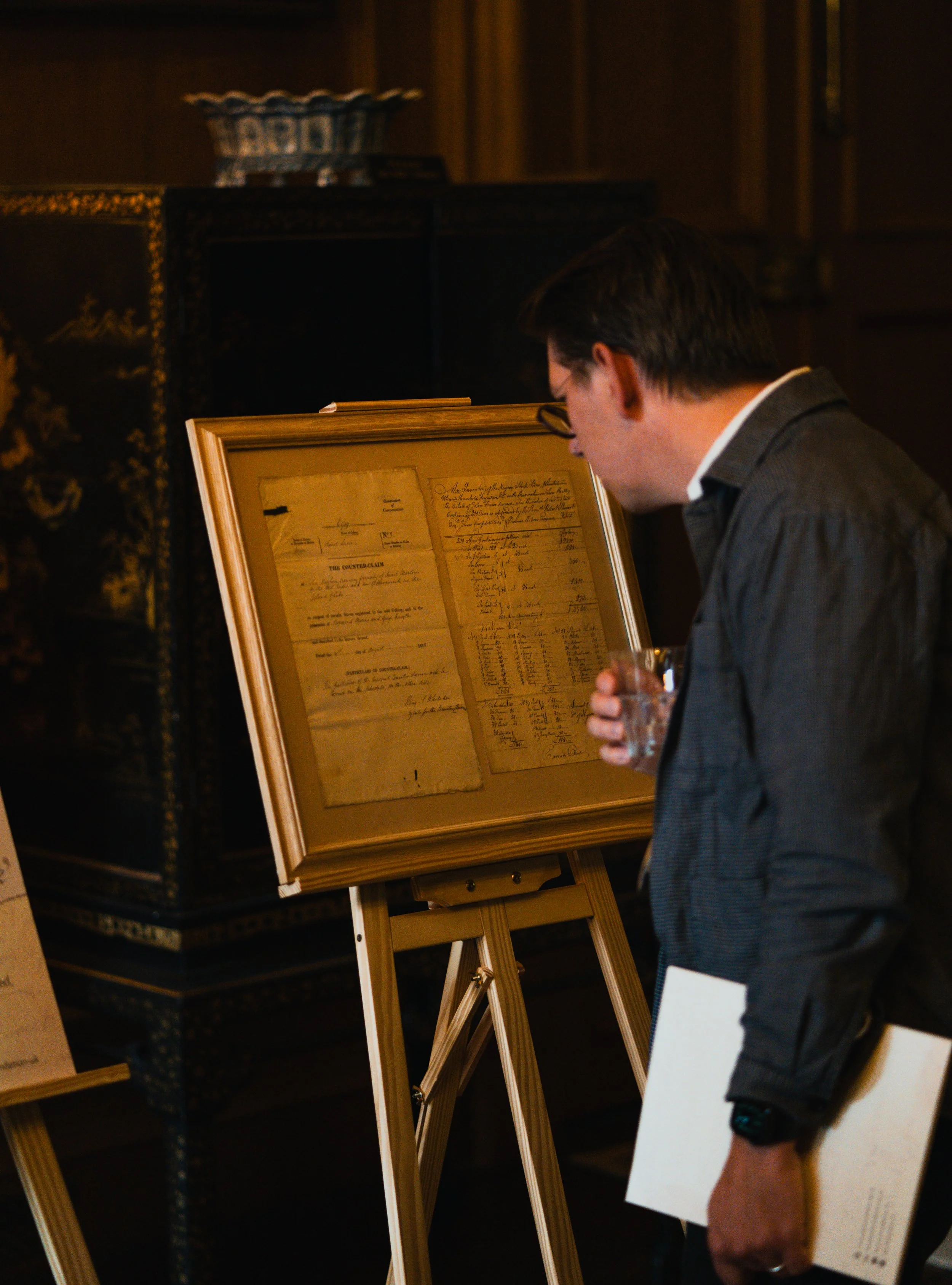
Several documents within the TREE archive contain important information on both sides. Annotations, endorsements, and contextual notes that are as historically significant as the main face of the document itself.
Traditional framing would have forced a compromise. Either one side would be prioritised, or the artefact would need to be repeatedly removed from its frame, increasing the risk of damage.
Working closely with TREE, Right Angle Picture Framing developed a specialist double-sided, viewable frame that allows both sides of a document to be seen while remaining fully protected.
This approach preserves the physical integrity of the artefact, eliminates unnecessary handling, and allows audiences to encounter documents as working historical objects rather than static displays.
Applying the same standards throughout
The same conservation principles applied to historical material have also been used for modern parchment items entering the TREE collection.
The Royal Humane Society Testimonial on Parchment was framed by Right Angle Picture Framing to the same custodial standard as eighteenth-century archival documents. The approach was intentionally restrained, allowing the document itself to speak while ensuring long-term protection and suitability for public display.
This consistency matters. It signals that TREE applies the same level of care and judgement regardless of age or provenance.
What this has made possible
As a result of this ongoing collaboration:
TREE’s core artefacts are safely preserved and exhibition-ready
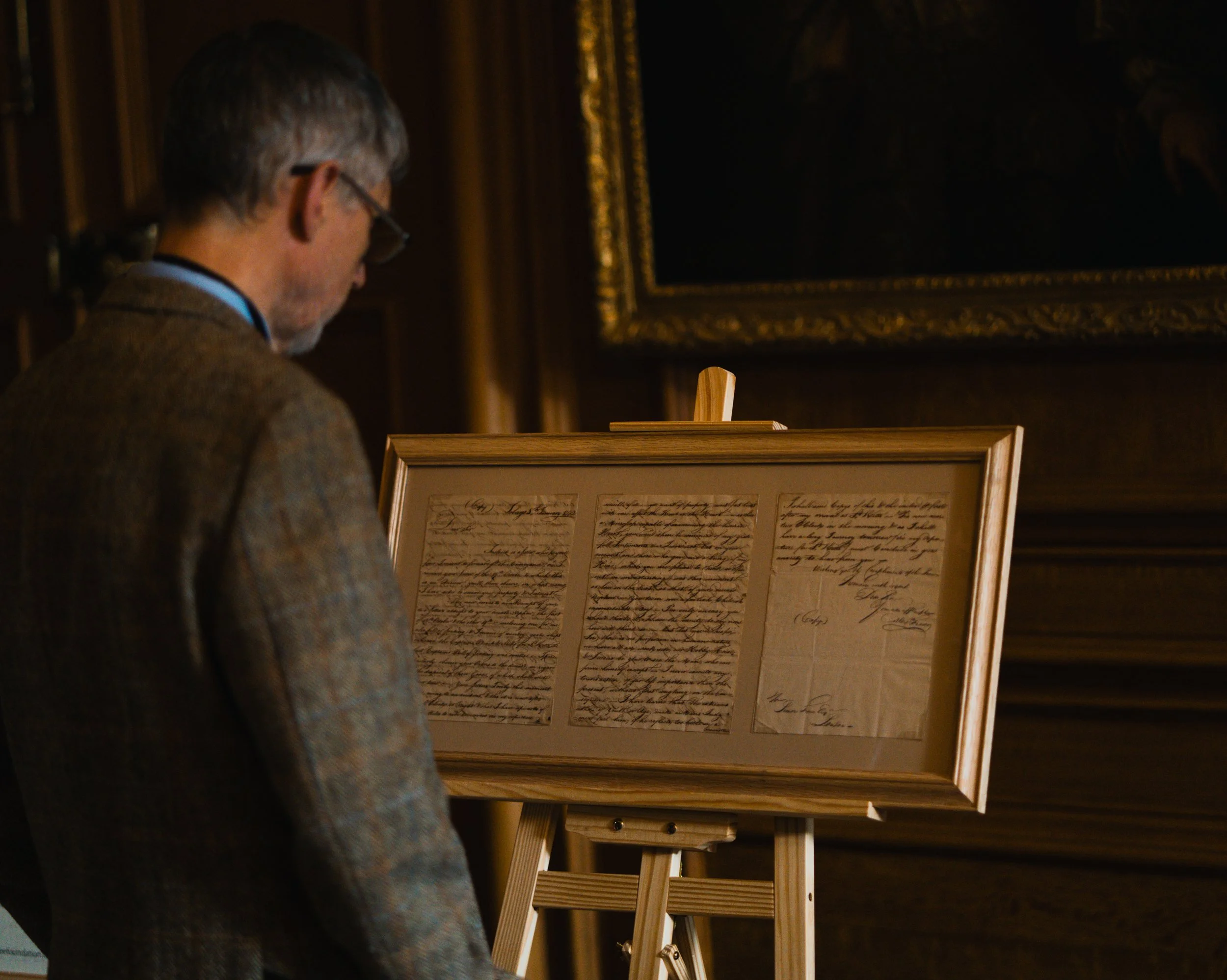
Original documents have been displayed publicly, including at National Trust properties
The archive can be shared confidently with schools, historians, and heritage professionals
Framing decisions support longevity, legibility, and interpretation without compromise
As the archive has grown, Right Angle Picture Framing has continued to adapt alongside TREE, supporting new artefacts and evolving exhibition needs.
Long-term partnerships
Good heritage work is rarely loud.
It is careful, deliberate, and often unseen. But it is precisely this kind of partnership that allows organisations like TREE to operate with integrity and confidence.
We’re proud to recognise Right Angle Picture Framing as one of our earliest and most trusted partners.
About TREE
The Trust for Records of Enslavement and Emancipation works with original archival material to support public understanding of Britain’s history of enslavement and its legacies. TREE is committed to evidence-led interpretation, ethical custodianship, and making primary sources accessible to the public.
